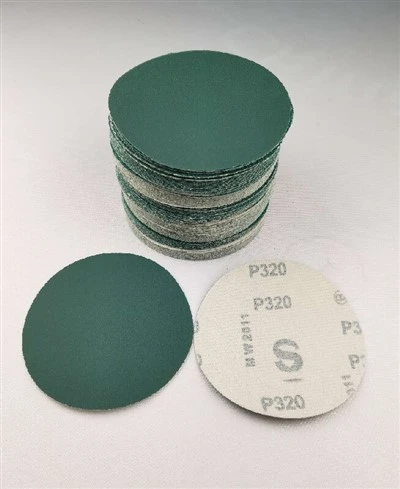
As a seasoned supplier of stone cutting discs, I've witnessed firsthand the pivotal role that flatness plays in the performance and safety of these essential tools. In this blog post, I'll delve into the intricacies of flatness requirements for stone cutting discs, exploring why it matters, how it's measured, and the implications of non - compliance.
Why Flatness Matters
The flatness of a stone cutting disc is far from a trivial aspect. It directly impacts the cutting efficiency, accuracy, and overall safety of the operation. A flat disc ensures a consistent cutting surface, which is crucial for achieving smooth and precise cuts. When a disc is not flat, it can lead to uneven wear, causing the disc to vibrate during operation. This vibration not only affects the quality of the cut but also poses a significant safety risk to the operator. Uneven wear can also lead to premature failure of the disc, increasing the cost of replacement and downtime.
Moreover, in applications where precision is key, such as in the fabrication of high - end stone products or in construction projects with strict tolerances, a flat cutting disc is indispensable. It allows for the creation of straight and clean edges, which are essential for a professional finish.


Measuring Flatness
Measuring the flatness of a stone cutting disc is a precise process that requires specialized equipment. One of the most common methods is using a flatness gauge. This tool works by placing the disc on a flat surface and then using the gauge to measure the deviation from the ideal flat plane. The measurement is typically taken at multiple points across the disc to ensure a comprehensive assessment.
Another method is optical measurement, which uses lasers or other optical devices to create a detailed profile of the disc's surface. This method provides a highly accurate measurement and can detect even the slightest deviations from flatness.
Industry standards define the acceptable limits for flatness. These standards vary depending on the type and size of the cutting disc, as well as the intended application. For example, a smaller disc used for precision work may have a more stringent flatness requirement compared to a larger disc used for general - purpose cutting.
Factors Affecting Flatness
Several factors can influence the flatness of a stone cutting disc. Manufacturing processes play a significant role. During the production of the disc, any inconsistencies in the pressing, curing, or grinding stages can lead to flatness issues. For instance, if the pressure applied during pressing is not uniform, it can cause the disc to be warped.
Storage and handling also affect flatness. If a disc is stored in an improper manner, such as being stacked on top of heavy objects or in a humid environment, it can deform over time. Similarly, rough handling during transportation can cause damage to the disc, resulting in a loss of flatness.
The quality of the raw materials used in the disc's construction is another crucial factor. Low - quality materials may not have the necessary structural integrity to maintain flatness under the stresses of cutting. For example, if the abrasive particles are not evenly distributed or if the bonding material is weak, it can lead to uneven wear and a loss of flatness.
Implications of Non - Compliance
Non - compliance with flatness requirements can have serious consequences. From a safety perspective, a non - flat disc can cause excessive vibration, which may lead to the disc breaking or flying off the grinder. This poses a significant risk of injury to the operator and those in the vicinity.
In terms of performance, a non - flat disc will not cut efficiently. It may require more force to operate, leading to increased energy consumption and wear on the grinder. The quality of the cut will also be compromised, resulting in rough edges, uneven cuts, and a lower - quality finished product.
Flatness Requirements in Different Applications
The flatness requirements for stone cutting discs vary depending on the specific application. In the construction industry, where large - scale cutting of stones is common, the flatness requirements are relatively less stringent compared to the precision stone fabrication industry. Construction projects often prioritize speed and efficiency, and a slightly less flat disc may still be acceptable as long as it can perform the basic cutting task.
On the other hand, in the production of high - end stone countertops, sculptures, or decorative items, the flatness requirements are extremely strict. These applications demand a high level of precision, and even the slightest deviation from flatness can result in a defective product.
Our Commitment as a Supplier
As a stone cutting disc supplier, we understand the importance of flatness and are committed to providing products that meet or exceed industry standards. We have implemented strict quality control measures throughout the manufacturing process to ensure that each disc is flat and of the highest quality.
Our manufacturing facilities are equipped with state - of - the - art technology for measuring and controlling flatness. We use advanced flatness gauges and optical measurement systems to ensure that every disc leaving our factory meets the specified flatness requirements.
We also offer a wide range of Grinder Abrasive Wheel and Grinder Abrasive Wheel Factory products, as well as Steel Abrasive Wheel options, to meet the diverse needs of our customers. Our products are designed to provide optimal performance, durability, and safety, with flatness being a key factor in their design and production.
Contact Us for Procurement
If you're in the market for high - quality stone cutting discs with strict flatness requirements, we invite you to contact us to discuss your procurement needs. Our team of experts is ready to assist you in selecting the right product for your specific application and to answer any questions you may have. We are committed to providing excellent customer service and ensuring that you get the best value for your investment.
References
- ASTM International. (Year). Standard specifications for abrasive cutting wheels.
- ISO (International Organization for Standardization). (Year). International standards for cutting tools - Stone cutting discs.
- Industry reports on the performance and safety of stone cutting discs.