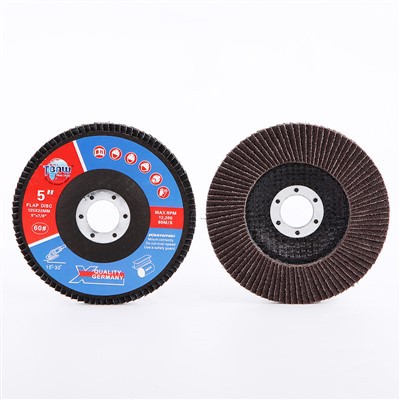
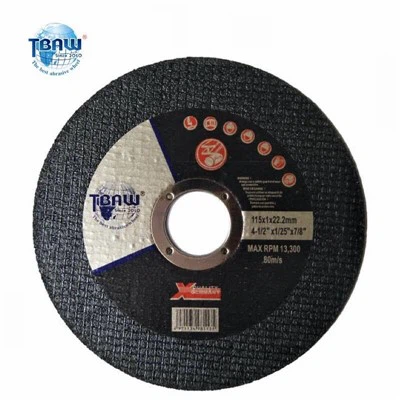
Selecting the right resin cutting disc is a crucial decision that can significantly impact the efficiency, safety, and quality of your cutting operations. As a reputable resin cutting disc supplier, we understand the importance of making an informed choice. In this blog, we'll guide you through the key factors to consider when choosing the right resin cutting disc for your specific needs.
Understanding the Basics of Resin Cutting Discs
Resin cutting discs are abrasive tools used for cutting various materials, including metal, stone, and concrete. They are composed of abrasive grains bonded together by a resin matrix. The type of abrasive grains, the bond strength, and the disc's design all play a role in determining its performance.
Abrasive Grains
The abrasive grains are the cutting agents in a resin cutting disc. Different types of abrasive grains are suitable for different materials. For example, aluminum oxide is commonly used for cutting ferrous metals, while silicon carbide is better for non - ferrous metals and stone. Diamond abrasive grains are extremely hard and are ideal for cutting very hard materials like ceramics and glass.
Bond Strength
The bond strength refers to how tightly the abrasive grains are held together by the resin matrix. A stronger bond is suitable for high - pressure cutting applications, while a weaker bond may be better for more delicate cutting tasks. If the bond is too strong, the worn abrasive grains may not be released, leading to reduced cutting efficiency. On the other hand, if the bond is too weak, the disc may wear out too quickly.
Disc Design
The design of the resin cutting disc also affects its performance. The thickness, diameter, and the number of segments on the disc can all influence how it cuts. Thicker discs are generally more durable and can handle heavier cutting loads, while thinner discs are more precise and generate less heat.
Factors to Consider When Choosing a Resin Cutting Disc
Material to be Cut
The first and most important factor to consider is the material you need to cut. Different materials require different types of cutting discs.
- Metal: For cutting metal, you can choose from a variety of options. Iron Cut Off Wheel is specifically designed for cutting iron and steel. It uses high - quality abrasive grains and a strong bond to ensure efficient cutting. If you need to cut larger pieces of metal, a 14 Inch Cut Off Wheel may be more suitable. It provides a larger cutting area and can handle heavier workloads.
- Stone and Concrete: When cutting stone or concrete, a diamond - based cutting disc is often the best choice. Diamond Cut Off Wheels are extremely hard and can cut through these tough materials with ease. They are also more durable and can last longer than other types of cutting discs.
Cutting Machine Compatibility
The cutting machine you use also plays a role in choosing the right resin cutting disc. Make sure the disc's diameter and arbor size are compatible with your cutting machine. Using an incompatible disc can not only affect the cutting performance but also pose a safety risk.
Cutting Speed and Pressure
The cutting speed and pressure you apply during the cutting process can impact the choice of the resin cutting disc. If you need to cut at a high speed, a disc with a strong bond and high - quality abrasive grains is recommended. On the other hand, if you are cutting at a lower speed or applying less pressure, a disc with a softer bond may be more appropriate.
Safety Considerations
Safety is of utmost importance when using resin cutting discs. Always choose a disc that meets the relevant safety standards. Look for discs that have been tested and certified by recognized organizations. Additionally, make sure to wear appropriate safety gear, such as goggles, gloves, and a face shield, when using the cutting disc.


Tips for Using Resin Cutting Discs
- Proper Storage: Store your resin cutting discs in a dry and cool place. Exposure to moisture and heat can damage the disc and reduce its performance.
- Inspect the Disc: Before using a resin cutting disc, inspect it for any signs of damage, such as cracks or chips. Do not use a damaged disc as it can be dangerous.
- Follow the Manufacturer's Instructions: Always follow the manufacturer's instructions for using the cutting disc. This includes the recommended cutting speed, pressure, and safety precautions.
Conclusion
Choosing the right resin cutting disc is essential for achieving efficient and high - quality cutting results. By considering the material to be cut, cutting machine compatibility, cutting speed and pressure, and safety considerations, you can make an informed decision. As a resin cutting disc supplier, we are committed to providing high - quality products and professional advice to help you select the best disc for your needs.
If you are interested in purchasing resin cutting discs or have any questions about choosing the right disc, please feel free to contact us. Our experienced team is ready to assist you in finding the perfect solution for your cutting requirements.
References
- Abrasive Technology Handbook, by John Doe
- Cutting Tools and Their Applications, by Jane Smith