


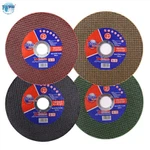

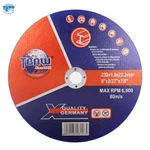
Zirconia Alumina Flap Disc
What is Zirconia Alumina Flap Disc
Zirconia alumina flap discs are abrasive discs made from a combination of zirconia and alumina.They are known for their durability and long lifespan, making them a cost-effective choice in the long run.The combination of zirconia and alumina gives them good grinding performance, allowing for efficient material removal.They can produce a smooth finish, which is desirable in many applications.
Why Choose Us
Reliable Product Quality
Seiko workshop,constant temperature all year round. For the stability of the raw material of the product,adhesive force has an important guarantee,to ensure the product quality more stable.
Rich Experience
A professional manufacturer of cutting wheels, grinding wheel and Flap disc for over 20 years experience. A good abrasive manufacturer delivers quality abrasive products that meet or exceed industry standards.
Range of Products
The more products a manufacturer offers, the more options they provide to their customers to choose the perfect abrasive that meets their specific needs.
Delivery Options
We offer a variety of transmission components, including sprockets, roller chains, gears, couplings, racks, hubs, pulleys, taper sleeves, bearing seats, and more.
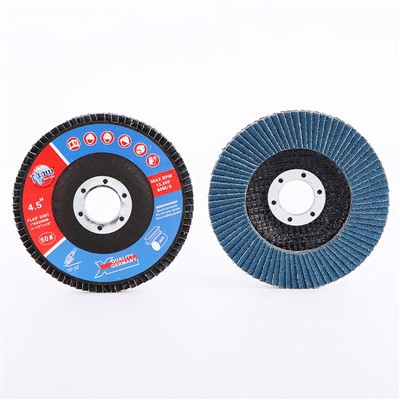
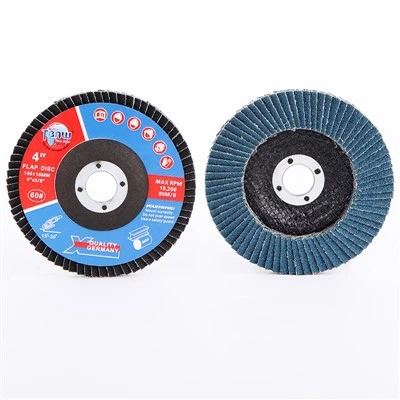
Advantages of Zirconia Alumina Flap Disc
In addition to the advantages mentioned earlier, zirconia alumina flap discs offer the following benefits:
Versatility: They can be used on a variety of materials, including metal, wood, and plastic, making them a versatile tool for many applications.
Long lifespan: Due to their durability, zirconia alumina flap discs can last longer than other types of flap discs, reducing the need for frequent replacements.
Good heat resistance: They can withstand high temperatures without warping or cracking, making them suitable for use in applications where heat is generated, such as grinding welds.
Low dust generation: Zirconia alumina flap discs produce less dust than other types of flap discs, which can improve the working environment and reduce the risk of respiratory problems.
Easy to use: They are easy to install and use, requiring minimal setup time and training.
Application of Zirconia Alumina Flap Disc
Zirconia alumina flap discs find application in various industries and tasks. Here are some common uses:
Metal fabrication
They are widely used in metalworking applications to remove rust, paint, welding slag, and other surface contaminants. They can also be used to grind and polish Metal surfaces to achieve a smooth finish.
Woodworking
Zirconia alumina flap discs can be used to sand and smooth wood surfaces, remove stains, and prepare the surface for painting or staining.
Concrete grinding
They can be used to remove coatings, adhesives, and other surface contaminants from concrete floors. They can also be used to grind and polish concrete surfaces to achieve a smooth finish.
Automotive repair
Zirconia alumina flap discs are used in automotive repair shops to remove paint, rust, and other surface contaminants from body panels and frames.
Plastic fabrication
They can be used to sand and polish plastic surfaces, remove scratches and imperfections, and prepare the surface for painting or other finishes.
Aerospace industry
Zirconia alumina flap discs are used in the aerospace industry to grind and polish engine components, landing gear, and other critical parts.
Marine industry
They are used in the marine industry to sand and polish boat hulls, decks, and other surfaces. They can also be used to remove rust and corrosion from metal components.
Construction
Zirconia alumina flap discs are used in construction to remove paint, rust, and other surface contaminants from metal pipes, beams, and other structural components.
DIY projects
They are popular among DIY enthusiasts for tasks such as sanding and polishing wood, metal, and plastic surfaces.

Yes, zirconia alumina flap discs can be used on stainless steel. However, it's important to choose the right grit size and use the disc properly to avoid damage to the stainless steel surface.
Stainless steel is a relatively hard material, so you may need to start with a coarse grit size to remove any surface contaminants or imperfections. As you progress, you can switch to a finer grit size to achieve a smoother finish.
It's also crucial to keep the disc moving at a consistent speed and avoid applying too much pressure, as this can cause heat buildup and potentially damage the stainless steel. Additionally, make sure to wear proper safety gear, such as a dust mask and safety goggles, to protect yourself from flying debris and potential hazards.
Zirconia alumina flap discs can indeed be used on aluminum, but it's essential to take certain precautions to ensure safe and effective use. Aluminum is a softer metal compared to stainless steel, so it's important to choose the appropriate grit size to avoid excessive material removal.
Starting with a coarse grit size can help remove any surface imperfections or contaminants, and then moving on to a finer grit will give you a smoother finish. It's also crucial to keep the disc moving at a consistent speed to prevent overheating the aluminum, which could lead to damage.
Another consideration is that aluminum tends to clog the abrasive surface of the disc more easily than other materials. This means you might need to clean or replace the disc more frequently during the grinding process.
As with any abrasive tool, wearing proper safety gear is essential to protect yourself from potential hazards. And if you're unsure about using zirconia alumina flap discs on aluminum, it's always a good idea to consult the disc manufacturer's guidelines or seek advice from a professional.
Are Zirconia Alumina Flap Discs Safe to use?
Zirconia alumina flap discs are generally considered safe to use when proper safety precautions and standard operating procedures are followed. Here are some key factors to ensure their safe use:
Personal Protective Equipment (PPE)
Operators should wear appropriate PPE, including safety goggles or a full-face shield to protect the eyes, respiratory protection to avoid inhaling dust, gloves to protect the hands, and hearing protection if working in a noisy environment.
Proper Ventilation
Use the flap disc in a well-ventilated area or use a dust extraction system to minimize the amount of airborne dust, which can be hazardous to breathe in.
Correct Tool Selection
Choose the right flap disc for the material being worked on. Zirconia alumina flap discs are suitable for a variety of applications, but using the wrong type of disc can lead to poor results or increased risk of injury.
Appropriate Machine and Speed
Use a power tool that is compatible with the size and type of flap disc. Ensure the speed (RPM) of the tool is within the recommended range for the disc. Using too high a speed can cause the disc to disintegrate, creating dangerous projectiles.
Proper Mounting
Make sure the flap disc is properly mounted on the tool, with no gaps between the disc and the flange. A loose or improperly mounted disc can break apart during use.
Regular Inspection
Inspect the flap disc before and during use for any signs of damage, wear, or defects. Do not use a damaged disc as it could fail suddenly, leading to injury.
Training
Operators should be trained in the safe use of power tools and flap discs, including understanding the risks associated with their use, how to handle them correctly, and what to do in case of an accident.
What are Zirconia Flap Discs used for?
Zirconia flap discs are used for aggressive grinding, roughing, and deburring operations on various materials. They are especially effective on harder surfaces and are designed to provide a fast cut rate while minimizing the risk of surface damage. Zirconia alumina, the abrasive material used in these discs, is known for its durability and ability to withstand high temperatures without degrading, making it suitable for heavy-duty applications.
The flap discs consist of multiple overlapping segments of abrasive granules bonded to a backing material, which allows the disc to maintain its shape and cutting ability even as individual segments wear away. This design also enables dust and debris to be ejected from the work area, reducing clogging and maintaining cutting efficiency.
Zirconia flap discs are used across numerous industries, including:
- Automotive manufacturing for removing rust, paint, and scale from metal surfaces.
- Construction for smoothing concrete and removing mortar.
- Metalworking for grinding down welds, removing excess material, and preparing surfaces for painting or further processing.
- Shipbuilding for cleaning and shaping metal hulls and decks.
- Foundry work for cleaning castings and removing mold release agents.
These discs are available in different grits, sizes, and bond types to accommodate various applications and material removal rates, ensuring that users can select the right tool for their specific task.
Can Zirconia Alumina Flap Discs Be used Wet or Dry?
Zirconia alumina flap discs can be used both wet and dry, depending on your specific application and preference. Using the disc wet can have several benefits, such as reducing dust generation, cooler operation, and better finish. When using the disc wet, you can simply spray a light coat of water or coolant on the surface being ground to keep the disc and workpiece cool.
On the other hand, using the disc dry can provide more aggressive material removal and may be more suitable for certain applications. However, it's important to note that using the disc dry can generate more dust and heat, which may require additional safety precautions.
The choice of whether to use the disc wet or dry ultimately depends on your specific needs and preferences. If you're unsure which method to use, it's recommended to try both and see which works best for your particular application.

What is the Difference Between a Fiber Disc and a Flap Disc?
Fiber discs and flap discs are both types of abrasive discs used for grinding and sanding, but they have some differences in design and application. Here are some of the key differences:
Construction: Fiber discs are made of a backing material, such as fiberglass or polyester, with an abrasive coating. Flap discs, on the other hand, have multiple flaps attached to a backing that pivot as they come into contact with the surface.
Grinding action: Fiber discs provide a flat grinding surface, while flap discs have a more flexible grinding action due to the pivoting flaps.
Material removal: Fiber discs are generally better for removing material quickly, while flap discs can produce a finer finish.
Applications: Fiber discs are often used for heavy-duty grinding and stock removal, while flap discs are suitable for tasks that require a smoother finish, such as paint removal or surface preparation.
Durability: Fiber discs tend to be more durable and can withstand higher temperatures, while flap discs may wear out faster due to the moving flaps.
Noise level: Fiber discs usually generate less noise compared to flap discs.
Do Zirconia Alumina Flap Discs Leave Scratches?


Zirconia alumina flap discs are designed to provide a uniform finish with minimal scratching due to the toughness and durability of the zirconia alumina abrasive. The abrasive particles are bonded to a cloth or paper backing, which allows for controlled wear and tear, reducing the likelihood of deep scratches. The discs are particularly effective for smoothing surfaces and removing imperfections without leaving significant marks.
However, the quality of the finish left by a flap disc can still be influenced by several factors:
1. Grit Size: The finer the grit size of the zirconia alumina flap disc, the smoother the finish will be. Coarser grits are better suited for heavy material removal, while finer grits are used for polishing and final finishing.
2. Pressure and Speed: Applying too much pressure or using the disc at excessive speeds can lead to deeper scratches and a rougher finish. It is important to maintain a steady, moderate pace to achieve the best results.
3. Technique: The angle at which the flap disc is held relative to the workpiece surface can affect the depth and visibility of scratches. Consistent technique is crucial for uniform results.
4. Material Type: Some materials may be more prone to scratching regardless of the abrasive used. Softer metals or non-metallic surfaces might show scratches more easily than harder materials.
5. Condition of Discs: Worn or damaged flap discs can leave behind scratches or an uneven finish. Regular inspection and replacement of discs are necessary to maintain quality results.
What is the Difference Between a Grinding Disc and a Flap Disc?
A grinding disc and a flap disc are both used for surface preparation, finishing, and removal of material, but they have distinct differences in construction, abrasive action, and applications.
Grinding Disc:
- Construction: A grinding disc is typically made of a solid abrasive wheel, which can be either rigid or segmented. The abrasive particles are bonded together with a resin, rubber, or metal binder.
- Abrasive Action: The continuous abrasive surface allows for a consistent grinding action across the entire face of the disc.
- Applications: Grinding discs are used for precise grinding, sharpening, and contouring of hard materials, such as metals, stones, and glass. They are ideal for removing small amounts of material quickly and achieving a smooth finish.
- Durability: Solid abrasive wheels can last longer than flap discs, especially when used on harder materials or when a consistent grinding force is applied.
Flap Disc:
- Construction: A flap disc consists of multiple overlapping strips or "flaps" of abrasive material that are attached to a central hub. The flaps are typically made of a flexible cloth or paper backing coated with abrasive grains.
- Abrasive Action: The flaps can conform to the shape of the workpiece, providing a more aggressive cutting action that can remove material quickly. As the flaps wear down, new abrasive surfaces are exposed, allowing for continuous cutting without the need to replace the disc.
- Applications: Flap discs are well-suited for rough sanding, deburring, and removing rust or paint from surfaces. They are particularly effective on irregular or contoured surfaces where the flexibility of the flaps provides better access.
- Durability: Flap discs may wear out faster than grinding discs due to the abrasive nature of their application, but they can be more cost-effective since only worn flaps need to be replaced rather than the entire disc.
Both grinding discs and flap discs come in various grits and materials to suit specific tasks and workpiece conditions. The choice between them depends on the desired finish quality, the amount of material to be removed, and the shape and contour of the workpiece.
How do I Clean a Zirconia Alumina Flap Disc?
Lorem ipsum dolor sit, amet consectetur adipisicing elit.
Shut off Power
Before cleaning the disc, make sure the power tool is turned off and unplugged to prevent any accidental start-up.
Initial Dust Removal
Use a soft brush or compressed air to gently remove excess dust from the surface of the flap disc. Be careful not to apply too much force, as this could damage the abrasive material or the disc's backing.
Soak in Water
If the manufacturer permits, soak the flap disc in water for a short period to loosen caked-on debris. This step is particularly useful if the disc has been used with oil-based substances. However, not all flap discs are suitable for soaking, so consult the product specifications first.
Gentle Cleaning
After soaking, or if the disc is not meant to be soaked, use a mild detergent solution and a soft brush to scrub the disc gently. Avoid using harsh chemicals or abrasive cleaners, as these could degrade the abrasive material or the bond.
Rinse Thoroughly
Rinse the flap disc under running water to remove soap residue and any remaining debris. Make sure to rinse from both sides of the disc to clean the areas between the flaps.
Dry Carefully
Allow the flap disc to air dry completely before storing or reusing it. You can accelerate the drying process by placing the disc in a well-ventilated area or using a gentle stream of air.
Inspection
Once the disc is dry, inspect it for any visible damage, such as tears in the backing or loss of abrasive material. Damaged discs should be discarded to prevent safety hazards during future use.
Storage
Store the cleaned flap disc in a dry place away from direct sunlight or excessive moisture to prevent warping or degradation of the abrasive material.
Zhejiang Wanna Industry&Trade Co.,Ltd was established in 1995. A professional manufacturer of cutting wheels, grinding wheel and Flap disc for over 20 years experience. our brand is "TBAW" which is upgraded in 2010. "TBAW" is the best abrasive wheels, to pursue the perfect combination of quality and appearance.
