


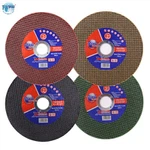

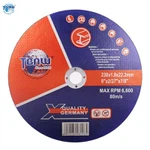
Stainless Steel Cutting Disc
What is Stainless Steel Cutting Disc
A stainless steel cutting disc is a type of abrasive wheel specifically designed for cutting stainless steel materials. It is usually made of a hard abrasive compound, such as aluminum oxide or silicon carbide, bonded to a metal or composite core.
Why Choose Us
Reliable Product Quality
Seiko workshop,constant temperature all year round. For the stability of the raw material of the product,adhesive force has an important guarantee,to ensure the product quality more stable.
Rich Experience
A professional manufacturer of cutting wheels, grinding wheel and Flap disc for over 20 years experience. A good abrasive manufacturer delivers quality abrasive products that meet or exceed industry standards.
Range of Products
The more products a manufacturer offers, the more options they provide to their customers to choose the perfect abrasive that meets their specific needs.
Delivery Options
We offer a variety of transmission components, including sprockets, roller chains, gears, couplings, racks, hubs, pulleys, taper sleeves, bearing seats, and more.

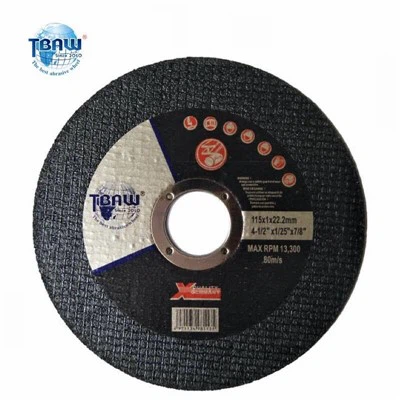


Advantages of Stainless Steel Cutting Disc
Stainless steel cutting discs offer several advantages that make them suitable for a variety of industrial and construction applications:
1. Corrosion Resistance: Stainless steel discs are inherently resistant to rust and corrosion due to the presence of chromium and other alloying elements. This property allows them to be used in environments where there is exposure to moisture, chemicals, or salts without degrading.
2. Durability: These discs are manufactured to withstand the rigors of cutting through stainless steel, which is a tough and durable material. The hardness of the disc ensures that it can maintain its cutting edge and withstand the abrasive nature of the metal being cut.
3. Longer Life: Due to their composition and design, stainless steel cutting discs often have a longer service life compared to discs intended for cutting non-stainless metals. This means fewer replacements and lower costs over time.
4. Smooth Finish: The finer grit on stainless steel cutting discs can result in a smoother cut surface, which reduces the amount of additional finishing work required after cutting. This is particularly beneficial in applications where aesthetics or surface quality are important.
5. Versatility: Stainless steel cutting discs can be used with various power tools, such as angle grinders, die grinders, and cut-off machines, providing versatility in different cutting scenarios.
6. Safety: Properly selected and used stainless steel cutting discs can reduce the risk of accidents. They are designed to break apart in a controlled manner upon excessive stress, reducing the chance of dangerous fragmentation that could cause injury.
7. Wide Application Range: Stainless steel cutting discs are suitable for cutting a range of stainless steel grades, including those with different alloy compositions and heat treatments.
8. Heat Resistance: Stainless steel discs can withstand high temperatures generated during the cutting process, maintaining their integrity and cutting performance.
Can You use Stainless Steel Cutting Discs on Mild Steel?
While stainless steel cutting discs are designed primarily for cutting stainless steel, they can also be used on mild steel to some extent. However, it's important to note that using a stainless steel cutting disc on mild steel may not be the most efficient or cost-effective option.
Stainless steel cutting discs are typically optimized for the harder and more corrosion-resistant properties of stainless steel. Mild steel is generally less challenging to cut compared to stainless steel. Using a disc specifically designed for mild steel, such as a standard steel cutting disc, may provide better performance and longer disc life.
That being said, if you don't have a dedicated mild steel cutting disc available, a stainless steel cutting disc can still do the job. Just keep in mind that it might take longer to make the cuts and the disc might wear out faster.

The grit size of a cutting disc refers to the number of abrasive particles per square inch on the disc surface and is an important consideration for the cutting process. For cutting stainless steel, a disc with a grit size between 24 and 46 is commonly used. These coarser grits are effective for quickly removing material and are less likely to become clogged with stainless steel debris.
For precision cuts where a smoother finish is desired, a finer grit, such as 60, might be chosen. However, it's important to remember that finer grits will cut slower and may wear out more quickly due to the increased friction against the stainless steel.
When selecting a disc, also consider the thickness of the stainless steel material. Thicker materials generally require a coarser grit for efficient cutting, while thinner materials can be cut with a finer grit for a cleaner edge.
Always follow the manufacturer's recommendations and safety guidelines when choosing and using a cutting disc, and ensure the disc is compatible with your power tool for optimal performance and safety.
What Grinding disc for Stainless Steel Cutting Disc?
When selecting a grinding disc for cutting stainless steel, it's crucial to choose one that is specifically designed for this material. A stainless steel cutting disc typically has a harder bond and a finer grain than discs meant for cutting mild steel. The harder bond helps to prevent the disc from wearing too quickly when cutting through the chromium-rich alloy present in stainless steel.
The most common type of disc used for cutting stainless steel is a Type 27 composite bond disc, which is identified by its blue color coding. This bond type provides a balance between durability and cutting speed, suitable for cutting through stainless steel up to about 3/4 inch (19 mm) thick.
For thicker or harder stainless steel, a Type 28 diamond bond disc, coded in green, might be used. Diamond bond discs are harder and more durable than composite bond discs and can handle tougher cutting tasks without breaking down.
When it comes to grit size, a coarser grit, such as 46 or 60, is usually preferred for cutting stainless steel because it removes material more efficiently and is less likely to become clogged with the fine metal particles generated during the cutting process.
Remember to use the correct speed setting on your grinder and to wear proper personal protective equipment (PPE) such as safety goggles, gloves, and hearing protection. Additionally, always ensure that the work area is well-ventilated and free of any flammable materials to mitigate the risk of fire from the sparks created during cutting.
Application of Stainless Steel Cutting Disc
The stainless steel cutting disc has a wide range of applications, here are some common ones:
Metal Fabrication: It is commonly used in the metalworking industry for cutting stainless steel sheets, pipes, rods, and other components during fabrication and welding processes.
Construction and Renovation: These discs can be used for cutting stainless steel in construction projects, such as when installing stainless steel fixtures, handrails, or doing plumbing work.
Industrial Maintenance: In industrial settings, they are employed for cutting and shaping stainless steel in maintenance and repair tasks.
Automotive and Machinery: The discs are useful in the automotive and machinery sectors for cutting stainless steel parts during manufacturing or repair.
Craft and DIY Projects: Enthusiasts and DIYers often use them for cutting stainless steel in their projects, like creating metal sculptures or customizing stainless steel objects.
Professional Trades: Plumbers, welders, and sheet metal workers rely on stainless steel cutting discs for their daily work involving stainless steel.
What is the Purpose of a Cut-off Wheel?
A cutoff wheel, also known as a cutting wheel, is a thin disc designed for use on angle grinders and similar power tools to cut, shape, or remove metal and other materials. Its primary purpose is to perform precision cuts and make quick work of tough materials that would otherwise be challenging to cut with hand tools.
Cutoff wheels are made from a variety of abrasive materials bonded to a central hub. The most common abrasives include:
1. Aluminum Oxide: Ideal for cutting metals such as steel, stainless steel, iron, and non-ferrous metals. It provides a good balance between cutting speed and lifespan.
2. Zirconia Alumina: Often used for cutting harder metals and alloys, as well as for precision cutting tasks that require a finer finish.
3. Diamond: Used for cutting very hard materials like ceramics, concrete, stone, and some superalloys. Diamond wheels are the toughest and most durable but also the most expensive.
4. Silicon Carbide: Typically used for cutting masonry and concrete, as well as non-metallic materials like glass or granite.
Cutoff wheels are available in different diameters and thicknesses to suit various cutting depths and applications. They are attached to the grinding machine via a spindle flange and secured with a nut. When in operation, the wheel spins at high speeds, providing the force needed to cut through the material.
When using a cutoff wheel, safety is paramount. Proper eye protection, gloves, and ear protection should always be worn, and the user should maintain a safe distance from the edge of the wheel to avoid injury. Additionally, the wheel should be chosen according to the material being cut to ensure efficient and safe operation.
What are the Features of Cut-off Wheel?
Cut-off wheels are abrasive wheels used for cutting various materials. Here are some common features of cut-off wheels:
Abrasive Material
They are typically made from a hard abrasive material, such as aluminum oxide, silicon carbide, or diamond, which allows them to cut through different substances.
Diameter and Thickness
Cut-off wheels come in various diameters and thicknesses to accommodate different cutting tools and applications.
Reinforcement
The wheels often have a reinforcement structure, such as a fiberglass or metal core, to provide strength and durability.
Speed Compatibility
They are designed to be used at specific speeds, and using the correct speed is important for efficient cutting and to prevent wheel damage or excessive heat buildup.
Safety Features
Many cut-off wheels are designed with safety in mind, such as having a burst-resistant design to reduce the risk of shattering.
Versatility
They can be used to cut a wide range of materials, including metals, ceramics, composites, and more.
Precision
Cut-off wheels can provide precise and clean cuts, depending on the quality of the wheel and the skill of the operator.
conclusion
When using cut-off wheels, it's crucial to follow safety guidelines, including wearing proper protective equipment and using the wheel at the correct speed and with the appropriate cutting tool.
What is the Difference Between a Grinding Wheel and a Cut-Off Wheel?
Grinding wheels and cut-off wheels are both types of abrasive wheels, but they have some differences in their design and intended use. Here are some key differences:
Purpose: Grinding wheels are used for grinding, shaping, and removing material, while cut-off wheels are primarily used for making precise cuts through materials.
Abrasive Material: Grinding wheels typically use abrasive materials like aluminum oxide or silicon carbide, while cut-off wheels may use diamond or other hard materials for enhanced cutting performance.
Construction: Grinding wheels have a thicker construction with a larger diameter and may have a depression in the center for holding the workpiece. Cut-off wheels, on the other hand, are thinner and have a smaller diameter with a flat surface.
Speed: Grinding wheels are generally operated at lower speeds to avoid overheating the workpiece and the wheel. Cut-off wheels, on the other hand, can be operated at higher speeds to achieve faster cutting.
Application: Grinding wheels are commonly used in metalworking, woodworking, and Stone processing for tasks like grinding edges, shaping parts, and removing burrs. Cut-off wheels, on the other hand, are used for cutting materials such as metal pipes, rods, and sheet metal.
Safety Features: Cut-off wheels often have safety features such as a burst-resistant design to reduce the risk of shattering. Grinding wheels may also have safety features, but they are not as common.In summary, the main difference between a grinding wheel and a cut-off wheel is their purpose and the type of material they are used to cut or grind. Grinding wheels are designed for removing material and shaping parts, while cut-off wheels are intended for making precise cuts through materials.
Can I use a Cut-off Wheel on a Grinder?


Yes, a cutoff wheel is specifically designed for use on grinders, which are power tools that rotate the wheel at high speeds to cut, grind, or remove material from the surface of a workpiece. Angle grinders, also known as side grinders or disc sanders, are commonly used with cutoff wheels for cutting tasks.
To safely use a cutoff wheel on a grinder, follow these guidelines:
1. Choose the Right Wheel: Select a cutoff wheel that matches the material you will be cutting and the size specified for your grinder. Ensure the wheel's thickness (kerf) is appropriate for the depth of the cut you intend to make.
2. Mount the Wheel Correctly: Secure the cutoff wheel onto the grinder's spindle, ensuring it is properly aligned and tightened according to the manufacturer's instructions. Use a wheel guard to protect against flying debris.
3. Wear Protective Gear: Always wear safety goggles or a face shield to protect your eyes from debris, gloves to protect your hands, and ear protection to guard against the loud noise generated by the grinder.
4. Secure Your Workpiece: Clamp or hold the workpiece firmly to prevent movement during the cutting process.
5. Use Appropriate Technique: Hold the grinder firmly with both hands, keeping the wheel perpendicular to the surface being cut. Avoid applying excessive pressure, as this can cause the wheel to break or shatter. Allow the weight of the grinder and the speed of the wheel to do most of the work.
6. Start Slow: Begin the cut by aligning the edge of the cutoff wheel with the starting point and then slowly engage the wheel into the material. Once the wheel is fully engaged, you can move at a steady pace.
7. Keep Others at a Safe Distance: Operate the grinder in a well-ventilated area and keep observers at a safe distance to prevent injuries from flying debris.
8. Shut Off the Grinder Properly: After completing the cut, release the trigger to stop the grinder and allow the wheel to come to a complete stop before setting the grinder down.
By following these guidelines, you can use a cutoff wheel safely and effectively on a grinder for a variety of cutting tasks. Always read and understand the manufacturer's instructions for both the grinder and the cutoff wheel before use.
Which Way Does a Cut off Wheel Go on a Grinder?
When attaching a cut-off wheel to a grinder, here's what you need to do:
Make sure the grinder is turned off and unplugged to ensure safety.
Check the grinder for the correct size and type of wheel that is compatible with your cut-off wheel.
Locate the arbor or spindle on the grinder where the wheel is attached. The arbor size should match the hole in the center of the cut-off wheel.
Place the cut-off wheel onto the arbor, making sure it is centered and sits flush against the grinder.
Some grinders may have a locking mechanism, such as a flange or nut, to secure the wheel in place. Tighten the locking mechanism according to the manufacturer's instructions.
Before using the grinder with the newly attached cut-off wheel, double-check that the wheel is securely fastened and there are no loose parts.
When Should I Replace my Cut off Wheel?
Replacing a cutoff wheel is critical to maintaining safety and efficiency while working. You should replace your cutoff wheel when any of the following conditions occur:
1. Dullness: If the wheel no longer cuts effectively or requires significantly more effort to perform a cut, it has likely become dull and needs to be replaced.
2. Cracks or Chips: Inspect the wheel regularly for cracks, chips, or deep gouges. Any visible damage can compromise the integrity of the wheel and lead to potential breakage during use.
3. Heat Damage: If the wheel shows signs of overheating, such as discoloration or warping, it should be replaced to prevent failure.
4. Wheel Wear: Most cutoff wheels have a defined service life or a maximum diameter specification. Once the wheel has been used to the point where it is below the minimum safe diameter, it must be replaced.
5. Vibration: Excessive vibration during use can indicate that the wheel is unbalanced or damaged and should be replaced to prevent accidents.
6. Mounting or Handling Damage: If the wheel has been dropped or mishandled, it may have sustained internal damage that is not visible. Such handling should be considered a reason for replacement.
7. Expiration Date: Cutoff wheels have a shelf life, even if unused. Check the expiration date on the packaging and replace the wheel if it has passed this date.
8. Rim Damage: If the rim of the wheel, where it attaches to the spindle, is damaged or deformed, the wheel could fail during use.
Zhejiang Wanna Industry&Trade Co.,Ltd was established in 1995. A professional manufacturer of cutting wheels, grinding wheel and Flap disc for over 20 years experience. our brand is "TBAW" which is upgraded in 2010. "TBAW" is the best abrasive wheels, to pursue the perfect combination of quality and appearance.
